

A sudden jolt of tooth pain can stop you mid-bite and dominate your entire day. Whether the ache is dull and lingering or sharp and electric, understanding why it is happening—and knowing exactly where to go when it does—can mean the difference between a quick fix and a serious complication. Below we break down the most common reasons behind tooth pain, the red-flag symptoms that demand immediate attention, and how residents of NE Calgary's Marlborough neighbourhood can access fast, professional emergency dental care at Pathways Dental Clinic.
Seven Common Reasons Your Tooth Hurts
1. Tooth Decay (Cavities)
Cavities remain the single most frequent source of dental pain for both children and adults. Bacteria in the mouth feed on sugars and starches, producing acids that erode enamel over time. Once decay penetrates the enamel and reaches the sensitive dentin layer beneath, you may feel pain when eating sweets, drinking cold beverages, or biting down. Left untreated, a small cavity can progress to the nerve, intensifying the pain significantly.
2. Cracked or Fractured Tooth
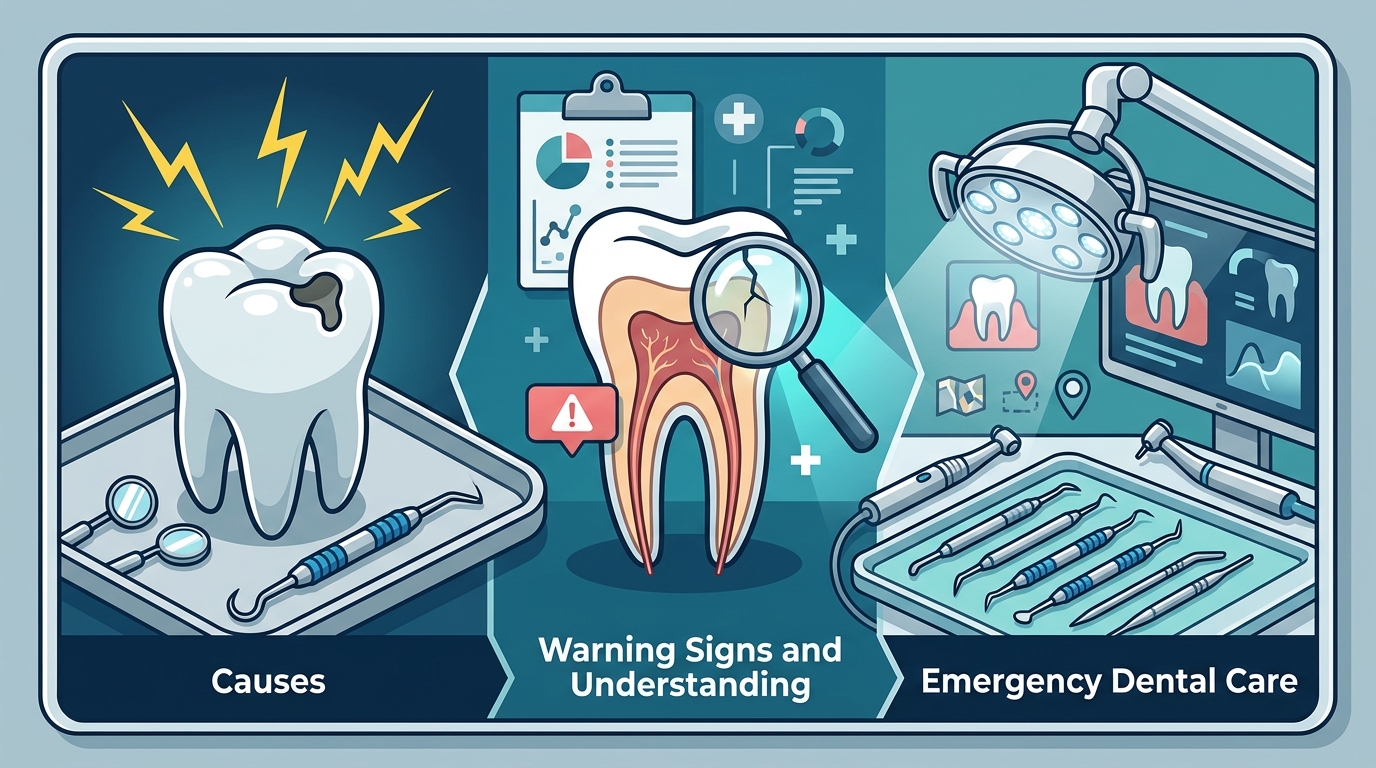
Biting into something unexpectedly hard, chronic teeth grinding, or even old dental work can weaken a tooth's structure and cause a crack. The pain is often sharp and localised, especially when chewing. A cracked tooth may not always be visible to the naked eye, which is why a professional exam—and sometimes X-rays—is essential for an accurate diagnosis. If caught early, a crown or bonding may save the tooth; if ignored, the crack can widen and lead to extraction.
3. Dental Abscess
An abscess forms when a bacterial infection creates a pocket of pus near the tooth root or in the surrounding gum tissue. It typically causes intense, throbbing pain that can radiate to the ear, jaw, or neck. Accompanying symptoms often include swelling, fever, and a foul taste in the mouth. A dental abscess is a genuine emergency because the infection can spread to other parts of the body if left untreated.
4. Gum Recession and Sensitivity
When gum tissue pulls away from the tooth, it exposes the root surface, which lacks the protective enamel covering. Hot, cold, or even air exposure can trigger sharp discomfort. Gum recession may result from aggressive brushing, periodontal disease, or simply the ageing process. Fluoride treatments, desensitising agents, or gum-grafting procedures can help depending on the severity.
5. Damaged Dental Restorations
Fillings, crowns, and other restorations do not last forever. A cracked filling or a loose crown can expose the underlying tooth structure, allowing bacteria in and creating sensitivity or pain. If you notice a change in how your bite feels or sudden sensitivity around a restored tooth, schedule a dental visit promptly.
6. Bruxism (Teeth Grinding)
Many people grind or clench their teeth during sleep without realising it. The excessive force places strain on the teeth and the temporomandibular joint (TMJ), leading to headaches, jaw stiffness, and radiating tooth pain—especially upon waking. Stress and anxiety are common triggers. A custom-fitted night guard made by a dental professional can protect teeth and reduce TMJ-related pain.
7. Sinus Pressure
Not all tooth pain originates from the teeth themselves. The roots of the upper back teeth sit close to the sinus cavities, so a sinus infection or seasonal congestion can mimic dental pain. This type of discomfort typically affects several upper teeth at once and may be accompanied by a stuffy nose and facial pressure. If your dentist rules out a dental cause, they may refer you to a physician or ENT specialist.
Warning Signs That Your Toothache Is an Emergency
A mild, fleeting ache after eating something cold is usually manageable with an upcoming dental appointment. However, certain symptoms signal a situation that needs same-day professional attention:
- Intense, throbbing pain that does not subside – persistent throbbing may indicate an abscess or deep infection requiring immediate treatment.
- Swelling in the face, jaw, or gums – this often means the infection has reached deeper tissues and should be assessed urgently.
- Fever combined with tooth pain – a fever indicates your body is actively fighting an infection that may be spreading.
- Uncontrolled bleeding – bleeding that does not stop after ten minutes of applied pressure warrants emergency care.
- A knocked-out or visibly loose permanent tooth – time is critical; re-implantation success rates drop sharply after 30 minutes.
- Difficulty breathing or swallowing – this is a medical emergency; call 911 or go to the nearest hospital immediately.
If you are ever unsure whether your pain counts as an emergency, it is always better to call a dental clinic and let them triage your situation over the phone rather than wait and risk complications.
What to Do Before You Reach the Dentist
While you arrange to see a professional, these steps can help manage discomfort temporarily:
- Rinse with warm salt water. Mix half a teaspoon of salt into eight ounces of warm water, swish for 30 seconds, and spit. Salt is a natural disinfectant that can reduce inflammation and help clean the area.
- Take over-the-counter pain relief. Ibuprofen or acetaminophen can lessen pain and inflammation. Avoid placing aspirin directly on the gum—this can burn the tissue.
- Apply a cold compress. Hold an ice pack or cold cloth against the outside of your cheek in 15-minute intervals to reduce swelling and temporarily numb the area.
- Avoid chewing on the affected side. Reducing pressure on the painful tooth helps prevent further damage.
- Do not ignore the problem. Home remedies offer short-term relief, but they are not substitutes for professional diagnosis and treatment. Even if the pain fades, the underlying cause likely remains.
Emergency Dental Care at Pathways Dental Clinic – Marlborough, Calgary
If you are in the Marlborough area of NE Calgary and experiencing a dental emergency, Pathways Dental Clinic is a convenient, patient-focused option. Here is what you need to know:
| Detail | Information |
|---|---|
| Address | Bay 22, 3220 5 Avenue NE, Calgary, AB T2A 5N1 |
| Phone | (403) 455-5565 |
| info@pathwaysdental.ca | |
| Website | pathwaysdental.ca |
| Hours | Tue–Thu 8 AM–8 PM | Fri 9 AM–5 PM | Sat 8 AM–4 PM | Mon by appointment |
| Dentists | Dr. Derek Bouma & Dr. Tony Kim |
Why Pathways Dental for Emergencies?
- Proximity to Marlborough: The clinic is located just west of Marlborough Mall and Franklin Mall, making it easily accessible for residents of Marlborough, Marlborough Park, Rundle, Pineridge, and surrounding NE Calgary communities.
- Extended hours: Evening appointments until 8 PM on weekdays and Saturday availability mean you do not have to wait until Monday morning when pain strikes at an inconvenient time.
- Comprehensive emergency services: The clinic handles toothaches, broken or knocked-out teeth, damaged restorations, abscesses, and more. Sedation options—including IV sedation, oral sedation, and nitrous oxide—are available for patients who experience anxiety during emergency procedures.
- Flexible payment and insurance: Pathways Dental works with most insurance providers through direct billing and offers financing options such as PayBright to help manage unexpected treatment costs.
- Patient-centred philosophy: Founded in 2018 by Dr. Tony Kim and Dr. Derek Bouma, the practice was built on the principle of delivering affordable, comfortable, and comprehensive care to the local community.
How to Reduce Your Risk of Future Dental Emergencies
While not every emergency is preventable, consistent oral hygiene and a few practical habits can dramatically lower your risk:
- Brush twice daily and floss every day. Cleaning along the gum line is especially important for preventing decay and gum disease.
- Visit your dentist every six months. Routine exams catch problems early—before you feel them—when they are simpler and less expensive to treat.
- Wear a mouthguard during contact sports. A large percentage of dental injuries are sports-related, and a properly fitted guard can prevent many of them.
- Limit sugary and acidic foods. Bacteria thrive on refined sugar and produce the acids that break down enamel.
- Address grinding or clenching. If you wake with jaw soreness or headaches, talk to your dentist about a custom night guard.
- Do not ignore minor issues. A small chip or mild sensitivity today can become a painful emergency next month if left unaddressed.
Key Takeaways
- Tooth pain has many possible origins—from cavities and cracks to abscesses and sinus infections—so accurate diagnosis by a dental professional is essential.
- Warning signs like persistent throbbing, swelling, fever, or a loose tooth indicate a dental emergency that requires same-day care.
- Temporary home measures (salt-water rinse, OTC pain relief, cold compress) help manage discomfort but do not replace professional treatment.
- Pathways Dental Clinic in NE Calgary's Marlborough neighbourhood offers extended-hour emergency dental care, sedation options, and flexible payment plans.
- Preventive habits—regular check-ups, daily brushing and flossing, wearing a mouthguard—are the most effective way to avoid emergencies altogether.
Frequently Asked Questions
Why does my tooth hurt when I bite down?
Pain on biting often points to a cracked tooth, a deep cavity, or an issue with an existing filling or crown. The pressure of biting separates the crack or pushes on inflamed tissue inside the tooth. A dental exam with X-rays is the fastest way to identify the exact cause.
When should I go to the emergency room instead of a dentist?
Head to the ER if you experience difficulty breathing or swallowing, facial swelling that spreads below the eye or toward the neck, uncontrolled bleeding, or a fever above 101 °F (38.3 °C). These may indicate a life-threatening infection. For all other urgent dental pain, an emergency dental clinic can typically provide faster and more targeted care.
Can a toothache go away on its own?
Minor gum irritation—such as from a piece of food stuck between teeth—may resolve within a day or two. However, pain originating from the tooth itself (a cavity, crack, or abscess) usually signals a problem that will not heal without professional treatment and may worsen over time.
Does Pathways Dental Clinic accept walk-ins for emergencies?
Pathways Dental encourages patients experiencing urgent pain to call their office at (403) 455-5565 as soon as possible. The clinic offers extended hours on weekdays and Saturdays to accommodate emergency visits. Calling ahead allows the team to prepare for your arrival and minimise wait time.
What should I do if my tooth gets knocked out?
Pick up the tooth by the crown (the visible part), not the root. If possible, gently rinse it and place it back in the socket. If you cannot reinsert it, store it between your cheek and gum or in a small container of milk, and get to a dentist within 30 minutes for the best chance of saving the tooth.
How much does an emergency dental visit cost in Calgary?
Costs vary depending on the diagnosis and required treatment. Pathways Dental Clinic prices its services according to the Alberta Dental Fee Guide and offers financing options including PayBright, which features low- or zero-interest plans. Direct insurance billing is also available to reduce out-of-pocket expenses at the time of your visit.