
Evaluating NE Calgary Dentists for Patients With Parkinson's Disease
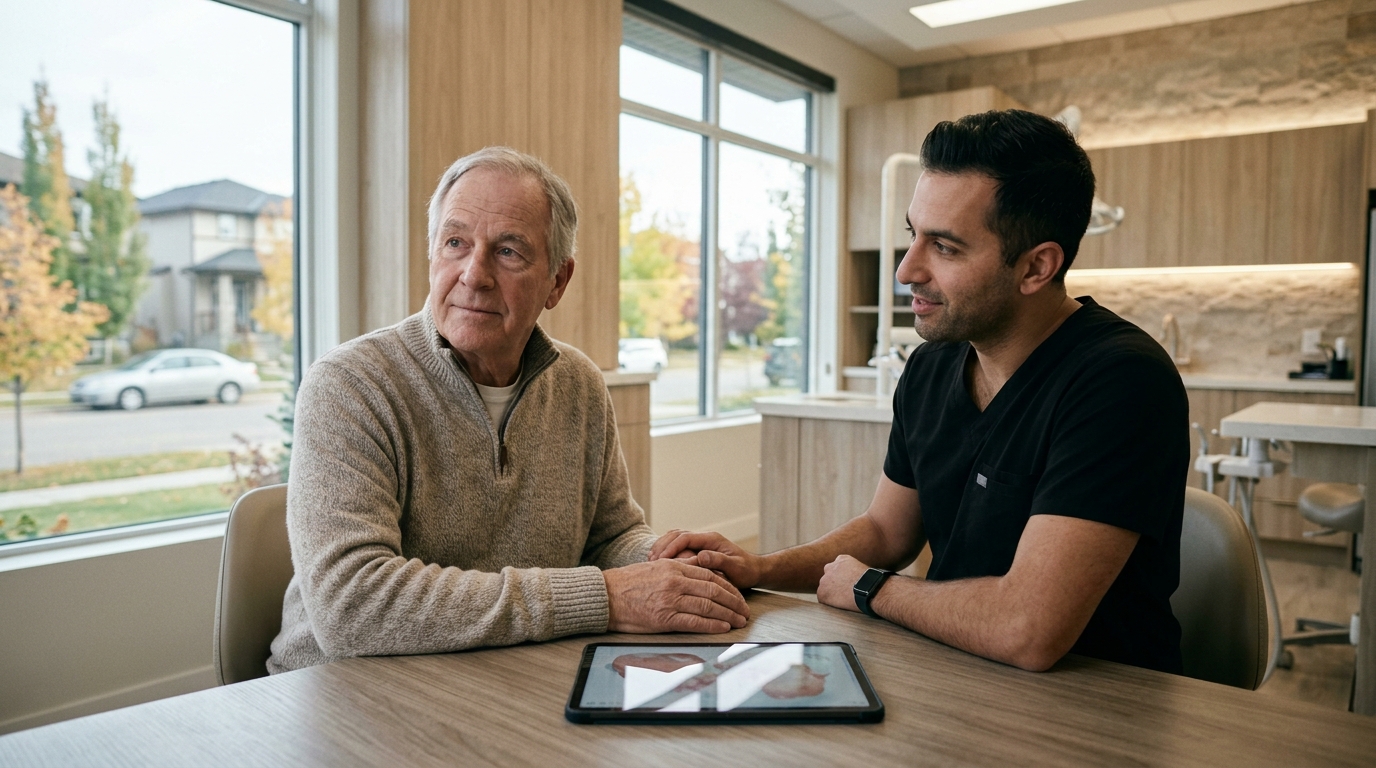
Living with Parkinson's disease introduces complex challenges that extend far beyond motor control, directly impacting oral health and the ability to maintain a standard dental routine. Recent clinical observations indicate that up to 40% of patients with Parkinson's experience significant dental issues, including dry mouth, gum disease, and difficulty brushing, which can accelerate tooth loss if not addressed by a specialized provider. This statistic highlights the urgent need for dental professionals in Northeast Calgary who understand the neurological and physical nuances of this progressive condition. Finding the right dental partner is not merely about convenience; it is about securing a care environment that adapts to your changing needs, ensuring that your oral health remains a priority despite the disease's progression. This guide provides a rigorous framework for evaluating potential dental clinics, focusing on accessibility, specialized training, and compassionate care models that prioritize patient dignity and comfort.
Understanding the Neurological-Oral Connection
Parkinson's disease is a progressive neurological disorder that affects movement, but its impact on oral health is often underestimated. The condition can lead to reduced saliva production, known as xerostomia, which significantly increases the risk of cavities and gum disease. When saliva levels drop, the mouth loses its natural ability to wash away food particles and neutralize acids, creating an environment where bacteria thrive. This biological shift requires a dental approach that goes beyond traditional cleaning and filling protocols.
Furthermore, the motor symptoms associated with Parkinson's, such as tremors and rigidity, make the mechanical act of brushing and flossing increasingly difficult. Patients may find it hard to hold a toothbrush with precision or reach all areas of the mouth effectively. This physical limitation often leads to plaque buildup and subsequent inflammation of the gums. A dentist who understands this connection will not only treat existing problems but also provide adaptive tools and techniques tailored to the patient's current motor abilities. At Pathways Dental, we recognize that oral health is inextricably linked to overall well-being, especially for those managing chronic neurological conditions.
Research published in the Journal of Parkinson's Disease confirms that poor oral health can exacerbate systemic inflammation, potentially worsening Parkinson's symptoms. This evidence underscores the importance of selecting a dental provider who views oral care as a critical component of holistic disease management. By addressing dental issues proactively, patients can reduce the burden of additional health complications and maintain a higher quality of life. The goal is to create a care plan that evolves alongside the patient's condition, ensuring that dental visits remain manageable and effective throughout the journey.
Critical Clinic Accessibility Features
For patients with Parkinson's, the physical environment of a dental clinic plays a pivotal role in reducing stress and ensuring comfort. Accessibility is not just about wheelchair ramps; it encompasses the entire patient journey from parking to the treatment chair. A suitable clinic in Northeast Calgary should offer ample, easy-access parking close to the entrance to minimize walking distance for those with mobility challenges. The interior should feature wide hallways, non-slip flooring, and accessible restrooms that accommodate patients who may require assistance or use mobility aids.
The dental operatory itself must be designed with flexibility in mind. Adjustable chairs that can accommodate patients who have difficulty transferring from a wheelchair are essential. Additionally, the layout should allow for easy access for caregivers or family members who may accompany the patient. At Pathways Dental, we prioritize a welcoming atmosphere where patients feel safe and respected. Our clinic is designed to minimize sensory overload, with calm lighting and a quiet environment that helps reduce anxiety for those with neurological sensitivities.
Another critical aspect of accessibility is the clinic's scheduling flexibility. Patients with Parkinson's may experience fluctuating energy levels and motor symptoms throughout the day. Therefore, a clinic that offers flexible appointment times, including early morning or late afternoon slots, can be invaluable. This allows patients to schedule visits during their "on" periods when they are most capable of cooperating with treatment. According to data from the Parkinson's UK organization, flexible care models significantly improve patient adherence to dental appointments, leading to better long-term oral health outcomes.
Evaluating Dentist Specialization and Training
Not all dentists are equipped to handle the unique needs of patients with Parkinson's disease. It is crucial to evaluate a dentist's experience and training in managing patients with neurological conditions. Look for providers who have demonstrated a commitment to continuing education in geriatric dentistry or special needs care. These professionals are more likely to be familiar with the medications commonly prescribed for Parkinson's and their potential side effects, such as dry mouth or gum overgrowth.
Communication style is another key factor in evaluating a dentist's suitability. A compassionate dentist will take the time to explain procedures in clear, simple terms, allowing the patient and their caregiver to ask questions without feeling rushed. They should also be skilled in adapting their clinical techniques to accommodate tremors or rigidity, such as using smaller instruments or providing additional support during procedures. At Pathways Dental, our team is trained to approach each patient with empathy and patience, ensuring that care is delivered in a manner that respects their dignity and comfort.
Additionally, consider the dentist's approach to preventive care. A proactive provider will emphasize regular check-ups and cleanings to catch potential issues early, before they become complex or painful. This preventive mindset is especially important for patients with Parkinson's, who may have difficulty reporting discomfort or changes in their oral health. By establishing a strong preventive routine, patients can avoid emergency visits and maintain their oral health with greater ease. The Mayo Clinic notes that regular dental care is essential for managing the systemic effects of Parkinson's disease.
Sedation and Anxiety Management Options
Anxiety is a common challenge for patients with Parkinson's, particularly in clinical settings where they may feel vulnerable or lose control. Evaluating a clinic's sedation and anxiety management options is therefore a critical step in the selection process. Some patients may benefit from nitrous oxide (laughing gas), which provides mild relaxation and wears off quickly. Others may require oral conscious sedation, which induces a deeper state of relaxation while still allowing the patient to respond to commands.
For more complex procedures or patients with severe anxiety, intravenous (IV) sedation may be necessary. This option allows for precise control over the level of sedation and ensures that the patient remains comfortable and pain-free throughout the treatment. It is important to choose a clinic that has the necessary certifications and equipment to provide these services safely. At Pathways Dental, we offer a range of sedation options tailored to individual needs, ensuring that every patient can receive the care they require without fear or distress.
Non-pharmacological anxiety management techniques are also valuable. These may include breathing exercises, guided imagery, or the presence of a trusted caregiver in the operatory. A dentist who incorporates these techniques into their practice demonstrates a holistic approach to patient care. According to a study in the Journal of Dental Research, patients who receive comprehensive anxiety management report higher satisfaction rates and are more likely to return for future appointments. This continuity of care is vital for managing the long-term oral health needs of patients with Parkinson's.
Comparing Care Models for Progressive Needs
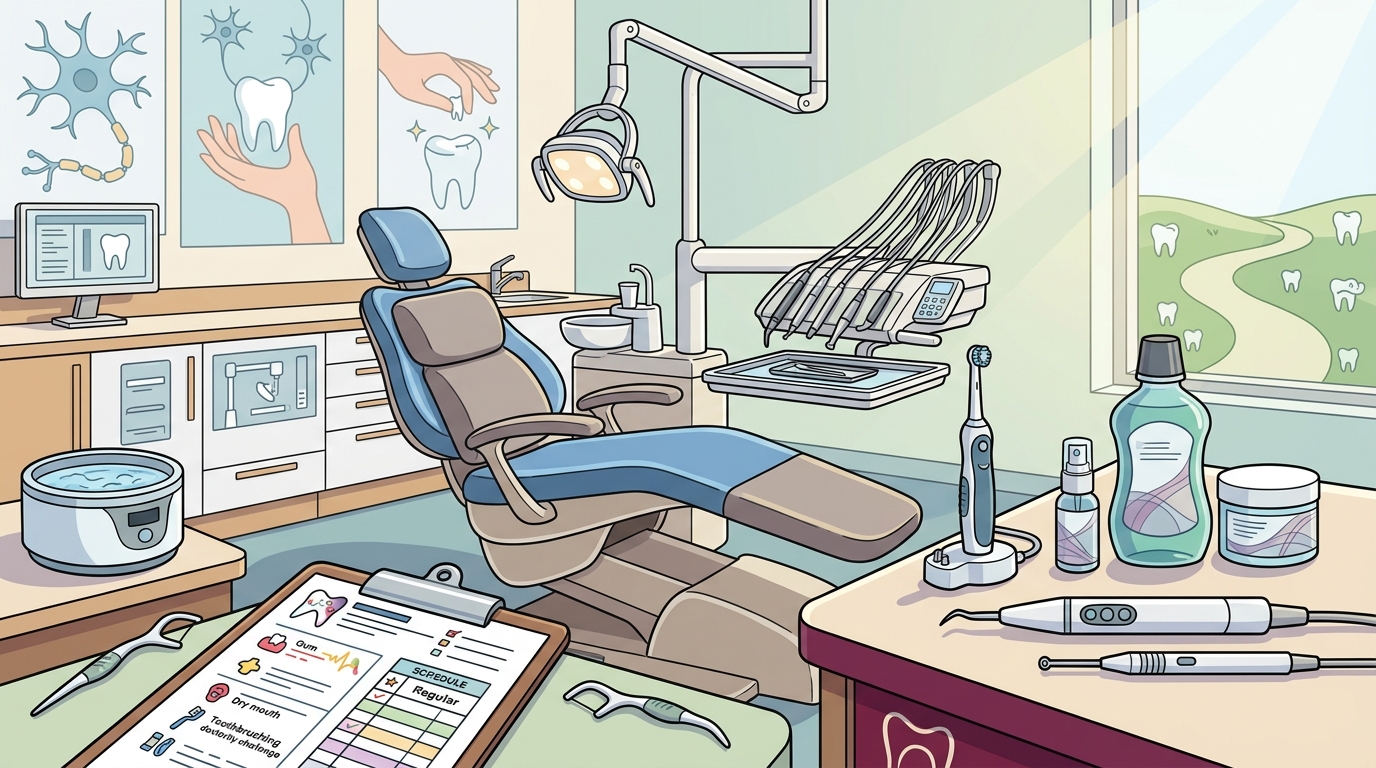
As Parkinson's disease progresses, the patient's needs will change. Therefore, it is important to evaluate the clinic's ability to adapt its care model over time. Some clinics offer specialized programs for patients with chronic conditions, including home visits or hospital dentistry for those who are unable to travel. These services can be invaluable for patients in later stages of the disease who require more intensive support.
| Care Model Type | Best For | Key Benefits | Considerations |
|---|---|---|---|
| Standard Clinic Care | Early-stage patients with good mobility | Comprehensive in-office services | Requires travel and waiting room time |
| Sedation Dentistry | Patients with high anxiety or tremors | Comfort and pain-free treatment | Requires a companion for transport |
| Home Visit Dentistry | Late-stage patients or homebound individuals | Maximum convenience and comfort | May have limited service availability |
| Special Needs Programs | Patients requiring long-term adaptive care | Personalized, evolving care plans | Check for insurance coverage |
When comparing these models, consider the long-term trajectory of the disease. A clinic that offers a continuum of care, from standard visits to home-based services, provides greater stability for the patient and their family. This continuity reduces the stress of finding new providers as needs change. At Pathways Dental, we are committed to supporting our patients through every stage of their journey, ensuring that their dental care remains accessible and effective.
Key Takeaways
- Oral Health Impact: Up to 40% of Parkinson's patients experience dental issues due to dry mouth and motor difficulties, necessitating specialized care.
- Accessibility is Key: Look for clinics with flexible parking, wide hallways, and adjustable chairs to accommodate mobility challenges.
- Specialized Training: Choose a dentist with experience in geriatric or special needs dentistry to ensure they understand medication side effects and adaptive techniques.
- Sedation Options: Evaluate the clinic's ability to provide nitrous oxide, oral, or IV sedation to manage anxiety and tremors during treatment.
- Adaptive Care Models: Consider clinics that offer home visits or long-term care plans to support patients as their condition progresses.
- Preventive Focus: Prioritize providers who emphasize regular check-ups to catch issues early and reduce the need for complex procedures.
- Communication Style: A compassionate dentist who takes time to explain procedures and listen to concerns is essential for building trust and reducing stress.
Frequently Asked Questions
How does Parkinson's disease affect oral health?
Parkinson's disease can cause dry mouth, difficulty swallowing, and reduced ability to brush effectively, leading to increased risk of cavities and gum disease. It can also cause gum overgrowth as a side effect of certain medications.
What should I look for in a dentist for Parkinson's patients?
Look for a dentist with experience in special needs or geriatric dentistry, a clinic that offers flexible scheduling and accessible facilities, and providers who offer sedation options to manage anxiety and tremors.
Can dentists provide home visits for Parkinson's patients?
Yes, some dental practices offer home visit services for patients who are unable to travel. This option provides maximum comfort and convenience for those in later stages of the disease.
Is sedation dentistry safe for Parkinson's patients?
Sedation dentistry can be safe and effective for Parkinson's patients when administered by a qualified professional who is aware of the patient's medical history and current medications. It helps manage anxiety and motor symptoms during treatment.
How often should Parkinson's patients visit the dentist?
It is generally recommended that Parkinson's patients visit the dentist every six months for check-ups and cleanings, but your dentist may suggest more frequent visits depending on your specific oral health needs.
What adaptive tools can help with brushing?
Adaptive tools include electric toothbrushes with large handles, floss holders, and water flossers. These devices can make oral hygiene easier for patients with tremors or limited dexterity.
How can I prepare for a dental appointment?
Prepare by bringing a list of current medications, scheduling the appointment during your "on" period, and bringing a caregiver for support. Communicate any specific needs or concerns to the dental team beforehand.
Next Steps for Your Care
Evaluating a dental provider for Parkinson's disease requires careful consideration of accessibility, specialization, and compassionate care. By choosing a clinic that understands the unique challenges of this condition, you can ensure that your oral health remains a priority. At Pathways Dental, we are dedicated to providing high-quality, patient-centered care for individuals with Parkinson's disease in Northeast Calgary. We invite you to contact our team to schedule a consultation and discuss how we can support your oral health journey. Our experienced professionals are ready to create a personalized care plan that meets your needs and respects your dignity.