

Comparing Sedation Dentistry Options for Anxiety and Phobia in NE Calgary
Dental anxiety affects approximately 36% of adults in Canada, with severe phobia impacting nearly 12% of the population. For residents in Northeast Calgary, the barrier to care is often not the dental procedure itself, but the fear of the environment and the sensation of pain. Pathways Dental addresses this critical gap by offering a spectrum of sedation techniques tailored to individual tolerance levels. Understanding the pharmacological differences between these options is the first step toward reclaiming your oral health without fear. (Contact Us)
Understanding Dental Anxiety and Sedation Types
Dental phobia is a recognized medical condition that can lead to severe oral health deterioration. When fear prevents regular checkups, minor issues escalate into complex, painful, and expensive treatments. Sedation dentistry bridges this gap by using medication to induce a state of relaxation while keeping the patient conscious and responsive. At Pathways Dental, we evaluate your medical history and anxiety level to recommend the most appropriate protocol. This ensures that your visit is not only pain-free but also psychologically comfortable.
The three primary methods we utilize are nitrous oxide, oral conscious sedation, and intravenous (IV) sedation. Each method operates on different pharmacological principles and offers varying degrees of relaxation. Choosing the right option depends on the complexity of your dental work and your personal threshold for anxiety. It is essential to have an open discussion with our team about your past experiences to determine the best path forward.
Nitrous Oxide: The Gentle Entry Point
Nitrous oxide, commonly known as laughing gas, is the mildest form of sedation available. It is inhaled through a small nasal mask placed over your nose. The gas mixes with oxygen and is absorbed quickly through the lungs into the bloodstream. This method is ideal for patients with mild to moderate anxiety who want to remain fully alert during the procedure.
One of the most significant advantages of nitrous oxide is its rapid onset and offset. Patients typically begin to feel relaxed within three to five minutes of inhalation. Furthermore, the effects wear off almost immediately after the mask is removed. This allows most patients to drive themselves home and resume normal activities right away. It is a safe, non-invasive option that serves as an excellent introduction to sedation dentistry for first-time patients in NE Calgary.
Oral Conscious Sedation for Moderate Fear
For patients with moderate to severe dental anxiety, oral conscious sedation offers a more profound level of relaxation. This method involves taking a prescribed anti-anxiety medication, such as Halcion or Valium, approximately one hour before your appointment. The medication is taken orally in pill form, eliminating the need for needles or masks.
Oral sedation induces a state of deep relaxation where patients often feel detached from the procedure. Many patients report feeling as though they are in a dream-like state. While you remain conscious and can respond to instructions, you may feel sleepy and have limited memory of the treatment afterward. This method is particularly effective for longer procedures or for patients who have a strong gag reflex. Because the effects last longer, you will need a responsible adult to drive you to and from Pathways Dental.
IV Sedation: Deep Relaxation and Control
Intravenous (IV) sedation is the most potent form of conscious sedation available in a dental office setting. It is administered directly into the bloodstream through a small catheter placed in a vein, usually in the arm or hand. This method allows for precise control over the level of sedation throughout the procedure. The dentist can adjust the dosage in real-time based on your reaction and comfort level.
IV sedation is recommended for patients with severe phobia, those undergoing complex surgical procedures, or individuals who have had negative experiences with other sedation methods. The onset is nearly immediate, and the depth of relaxation is significantly deeper than oral sedation. Patients often enter a state of twilight sleep where they are barely aware of their surroundings. Like oral sedation, IV sedation requires a companion to drive you home, and you will need to rest for the remainder of the day.
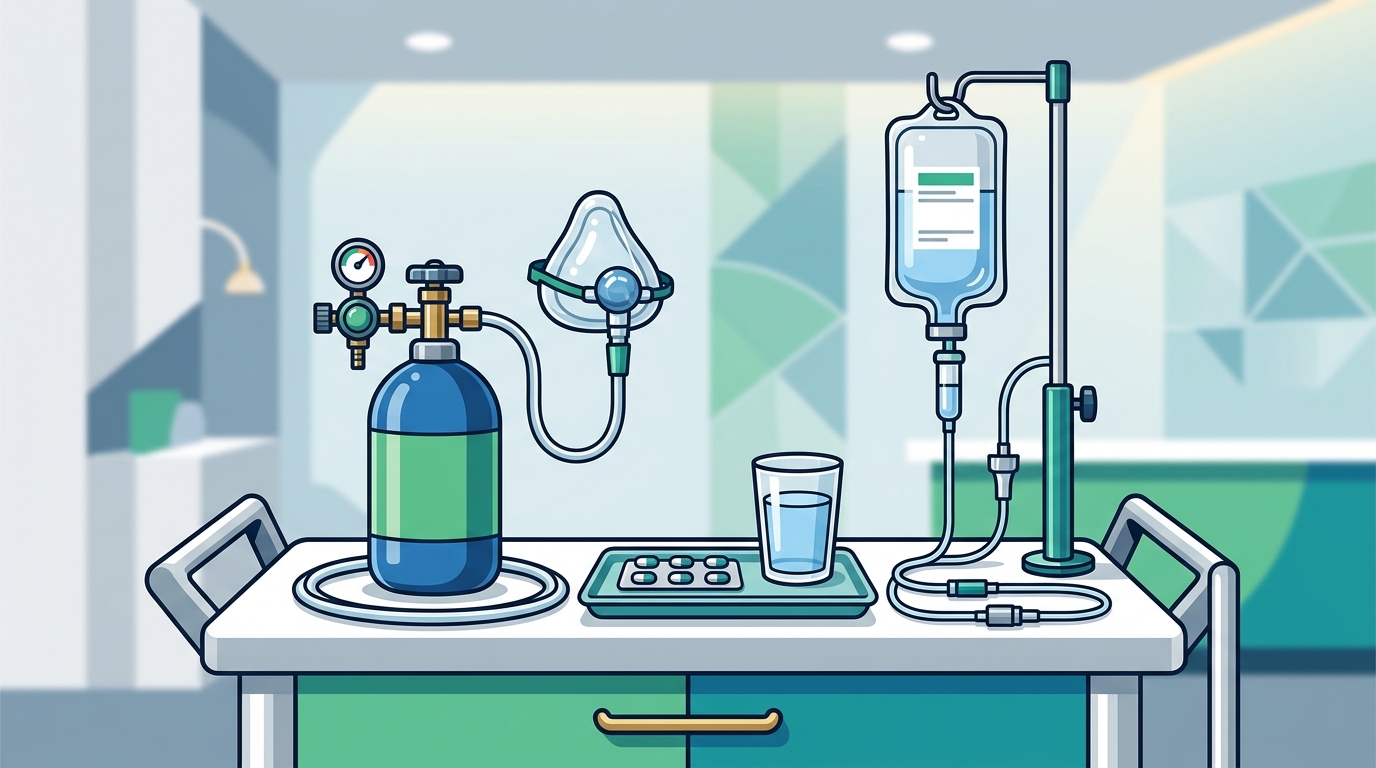
Comparison of Sedation Modalities
Choosing the right sedation method can be challenging. The following table outlines the key differences between the three primary options we offer at Pathways Dental. This comparison helps you understand the scope, recovery time, and suitability of each method for your specific needs.
| Sedation Type | Depth of Relaxation | Onset Time | Recovery Period | Best For |
|---|---|---|---|---|
| Nitrous Oxide | Mild | 3-5 Minutes | Immediate | Mild anxiety, quick procedures |
| Oral Conscious Sedation | Moderate | 30-60 Minutes | 4-6 Hours | Moderate anxiety, gag reflex |
| IV Sedation | Deep (Twilight) | Immediate | 24 Hours | Severe phobia, complex surgery |
Key Takeaways for NE Calgary Patients
- Nitrous oxide allows for immediate recovery and driving post-procedure, making it ideal for lunchtime appointments.
- Oral sedation provides a dream-like state that reduces memory of the procedure, suitable for moderate anxiety.
- IV sedation offers the highest level of control and relaxation, essential for severe dental phobia or complex surgeries.
- All sedation methods require a responsible adult driver except for nitrous oxide, due to residual effects.
- Medical history disclosure is critical; certain medications may interact with sedatives, altering their effectiveness.
- Pathways Dental prioritizes patient safety by monitoring vital signs throughout all sedation procedures.
- Sedation dentistry is not just for pain management but also for managing the gag reflex and anxiety.
Frequently Asked Questions
Is sedation dentistry safe for patients with high blood pressure?
Yes, sedation dentistry can be safe for patients with controlled high blood pressure. However, it is crucial to disclose your medical history to our team. We may adjust the type or dosage of sedation to ensure your safety during the procedure. Our team monitors your vital signs continuously to manage any fluctuations.
Can I drive myself home after receiving oral sedation?
No, you cannot drive yourself home after oral sedation. The medication affects your motor skills and reaction times for several hours. You must have a responsible adult drive you to and from Pathways Dental and stay with you for the remainder of the day.
How long does the effect of nitrous oxide last?
The effects of nitrous oxide wear off very quickly, usually within minutes of stopping the inhalation. This is why patients can often resume normal activities, including driving, immediately after their appointment. The gas is eliminated from the body through breathing.
What is the difference between conscious sedation and general anesthesia?
Conscious sedation keeps you awake and able to respond to commands, though you may feel very relaxed. General anesthesia renders you completely unconscious and requires a hospital or surgical center setting. Pathways Dental offers conscious sedation options that are safer and more convenient for routine dental care.
Do you offer sedation for children in NE Calgary?
Yes, we offer sedation options for pediatric patients who experience severe anxiety. Nitrous oxide is commonly used for children as it is gentle and non-invasive. For more complex cases, we may recommend oral sedation. We ensure that all pediatric sedation is performed with extreme care and age-appropriate dosing.
How do I prepare for my sedation appointment?
Preparation depends on the type of sedation. For oral and IV sedation, you will typically need to fast for 6-8 hours prior to your appointment. You should wear comfortable clothing and bring a companion. Our team will provide detailed pre-operative instructions during your consultation.
Is sedation dentistry covered by insurance?
Insurance coverage for sedation varies by provider and plan. Some plans cover the dental procedure itself but not the sedation fee. Others may cover a portion of the cost if the sedation is deemed medically necessary. We recommend contacting your insurance provider directly to verify your benefits before your visit.
Schedule Your Consultation
Overcoming dental anxiety is the first step toward a healthier smile. At Pathways Dental, we are committed to providing a safe, comfortable, and judgment-free environment for all patients in NE Calgary. Whether you need mild nitrous oxide or deep IV sedation, our team is here to support you. Contact us today to discuss your options and schedule a consultation. Visit our contact page to book your appointment online or call our office directly.